
Analog Moments through The Way of Tea
- Kiki

- Feb 5
- 2 min read
Updated: Feb 6
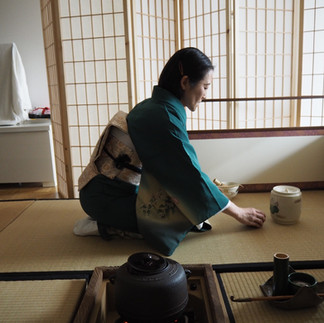
Over a weekend in mid-January, I attended Hatsugama (初釜) — the first tea ceremony of the year — hosted by my tea teacher.
People often ask me why I spend years learning how to make a single bowl of tea. I smile, because for me, I’m only in my third year of practice — still a baby in the world of tea, where many measure their journey in decades.
Of course, anyone can whisk matcha powder with hot water and call it a tea. But tea is something more — much more.

For me, tea is not only a connection to my cultural heritage; in fact, its teachings transcend mere learning about culture. It is more like a lesson in philosophy. There is a whole universe contained within the tearoom.
Learning to host a tea gathering is really about learning how to be in this world — how to notice, to interact, and to care for others.
In a world that values quick explanations and short snippets, tea lessons can be frustrating. There are no checklists or cheat sheets. The teacher simply guides you through the steps, and the rest you must absorb through practice and patience.
At a time when one must shout to be heard, there is a quiet joy inside the tearoom — where communication happens through silence, eye contact, and subtle gestures.
In an age of instant gratification, tea reminds me that time and patience themselves can be the reward.
In a way, I think my tea practice is my analog moment — an anchor, a pause amid the noise of daily life. How do you find your analog moment?
For those who may be curious about the practice of tea, I will be posting about my lessons and learnings from time to time. Maybe it'll give you a little glimpse into Chado (茶道), as we call it (translated: The Way of Tea) and its spirit.
Stay tuned!




Comments